Condominium Grease Trap Pumping in Indianapolis, IN
Indianapolis Condominium Grease Trap Pumping
Condominium Grease Trap Pumping Services in Indianapolis
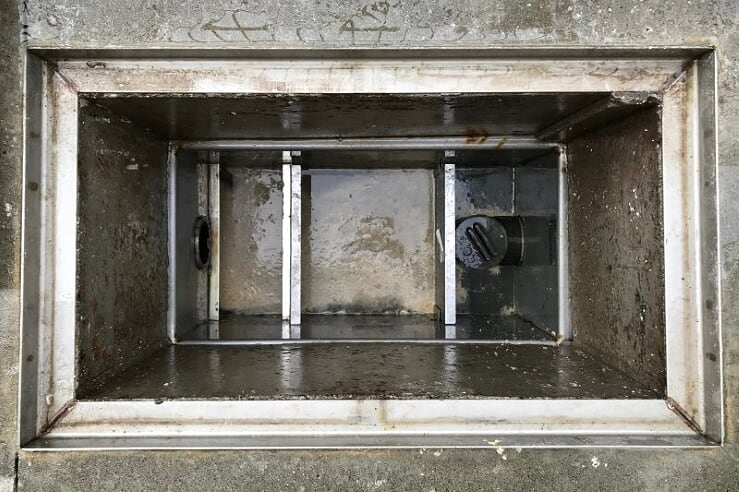
Managing a condominium property in Indianapolis comes with a long list of responsibilities, and the grease trap rarely makes it to the top of the priority list until something goes wrong. A backed-up drain in a shared kitchen space, a foul odor drifting through common areas, or a health department notice showing up at the property office — these are the moments when grease trap maintenance suddenly becomes urgent. At Indianapolis Grease Trap Services, we provide professional condominium grease trap pumping in Indianapolis, IN, and throughout Marion County, helping property managers and HOAs stay ahead of grease buildup before it disrupts residents, triggers violations, or leads to costly plumbing repairs.
Condominium properties present a unique grease management challenge. Multiple units share a connected drainage system, and the cumulative grease load from dozens or even hundreds of kitchens flows through shared lines and into a common grease trap or interceptor. When that trap isn’t pumped on a consistent schedule, the consequences don’t stay contained to one unit — they spread through the system and affect the entire property. Our owner-operated team has the equipment, the experience, and the local knowledge to keep condominium grease traps running cleanly across Indianapolis, from downtown high-rises and Broad Ripple developments to suburban condominium communities in Carmel, Fishers, Greenwood, and Lawrence.
Why Condominium Properties Need Dedicated Grease Trap Service
A single-family home with a grease trap generates a manageable volume of kitchen waste from one household. A condominium building is a different situation entirely. Whether the property has 10 units or 200, the grease trap or interceptor serving the building collects fats, oils, and food solids from every kitchen in the complex. That volume adds up fast — far faster than most property managers expect when they first take over a building or set a maintenance schedule.
Beyond volume, condominium grease traps face another challenge that residential traps don’t: inconsistent kitchen habits across dozens of households. Some residents are careful about what goes down the drain. Others pour cooking grease directly into the sink, run the garbage disposal heavily, or wash greasy pans without wiping them first. The trap doesn’t distinguish between careful and careless use — it collects everything, and it fills up at the pace of the entire building’s combined output.
For Indianapolis condominium properties that also include shared amenity spaces — a clubhouse kitchen, a community room with cooking facilities, or an on-site café or dining area — the grease load is even higher. These shared cooking spaces contribute disproportionately to trap buildup and often push service intervals significantly shorter than the residential units alone would require.
The result is a grease trap that fills faster than anticipated, overflows more frequently than it should, and creates problems that ripple across the entire property when it isn’t serviced on the right schedule.
Signs Your Condominium Grease Trap Needs Pumping
For property managers overseeing a condominium in Indianapolis, knowing the early warning signs of a grease trap that needs service can prevent a minor maintenance issue from escalating into a building-wide problem. Here’s what to watch for:
- Slow drains reported across multiple units – When one resident reports a slow kitchen drain, it might be an isolated clog. When multiple residents in different units report the same problem around the same time, the issue is almost certainly in the shared system. A full or overflowing grease trap creates backpressure that slows drainage throughout the connected plumbing.
- Sewage or grease odors in common areas – Shared hallways, laundry rooms, and utility spaces near drain lines are often the first places where grease trap odors become noticeable. If residents or staff are reporting persistent bad smells in common areas, a grease trap that’s past due for pumping is a common source.
- Repeated drain complaints from the same floors or units – In multi-story condominium buildings, units closest to the grease trap or on lower floors often feel the effects of a full trap first. If complaints cluster in specific areas of the building, it’s worth checking the trap before calling a plumber.
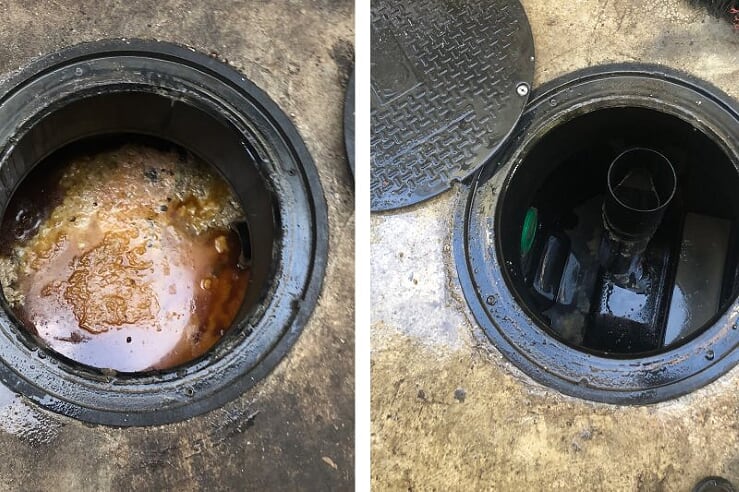
- Grease surfacing near cleanouts or the trap lid – Visible grease at exterior cleanouts, around the trap access lid, or in nearby landscaping is a sign the trap has exceeded its capacity and is no longer intercepting waste effectively.
- Health department notices or compliance flags – Condominium properties in Indianapolis that are subject to grease trap compliance requirements may receive notices if service records aren’t current. If your property has received any compliance communication from the city or county, getting the trap pumped and documentation updated should be the immediate next step.
- No record of recent service – If you’ve taken over management of a condominium property and there’s no documentation of when the grease trap was last pumped, assume it’s overdue and schedule an inspection. Inherited maintenance gaps are one of the most common situations we encounter when arriving at a property for the first time.
How Condominium Grease Trap Pumping Works
Servicing a grease trap on a condominium property follows the same core process as any grease trap pumping job, but the scale, access logistics, and documentation requirements are often more involved. Here’s what our process looks like on a condominium property:
Step 1: Property Assessment and Trap Location
Our technician arrives at the property, coordinates with the property manager or on-site staff, and locates all grease trap or interceptor access points. On larger condominium properties, there may be more than one trap serving different sections of the building or different amenity spaces. We identify everything that needs service before any pumping begins.
Step 2: Measuring and Evaluating Buildup
Before pumping, we measure the current grease layer and solids accumulation inside the trap. This gives us an accurate picture of how full the trap is, how quickly it’s been filling since the last service, and what pumping frequency makes sense going forward for this specific property and its usage patterns.
Step 3: Full Waste Evacuation
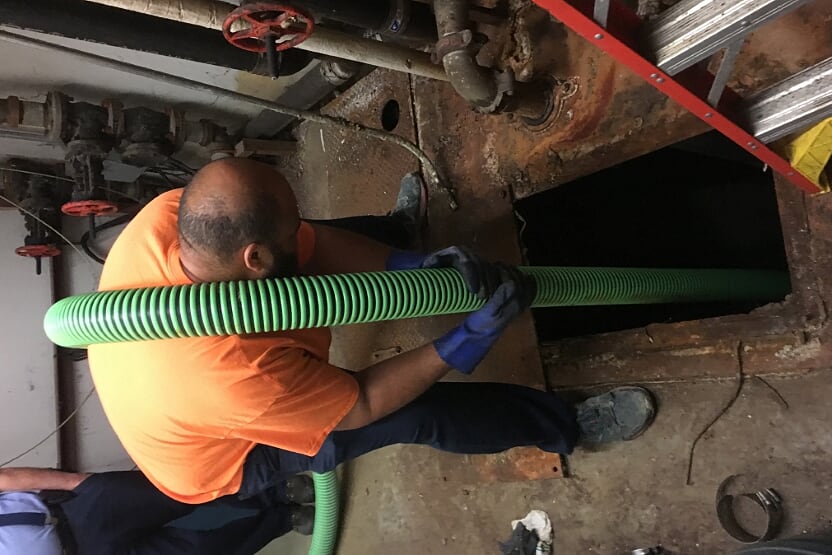
Using our vacuum truck equipment, we pump out all accumulated grease, oils, food solids, and wastewater from the trap completely. We don’t do partial cleanouts that leave significant waste behind — the trap gets fully evacuated so it starts fresh.
Step 4: Interior Scrubbing and Cleaning
After pumping, we scrub the interior walls, baffles, and lid of the trap to remove grease film, biofilm, and residue that clings to surfaces after bulk waste is removed. This step is what prevents rapid re-accumulation between service visits. A trap that’s pumped but not properly cleaned refills significantly faster than one that’s been thoroughly scrubbed.
Step 5: Baffle and Component Inspection
We inspect the inlet and outlet baffles for cracks, blockages, or deterioration. On larger condominium-scale interceptors, we also check for structural issues with the trap body, examine the flow path between inlet and outlet, and flag any components that show signs of wear or damage.
Step 6: Documentation and Compliance Filing
For condominium properties with compliance requirements, we prepare all required service records and manifests following each visit. We coordinate filings with the local health department on your behalf and keep copies of all documentation on file at our Indianapolis office so you have a complete service history whenever you need it — whether for a routine inspection or an unexpected compliance inquiry.
Shared Grease Traps vs. Individual Unit Traps
Condominium properties in Indianapolis handle grease interception in different ways depending on how the building was designed and what local codes required at the time of construction. Understanding which setup your property has affects how service should be scheduled and what the right maintenance approach looks like.
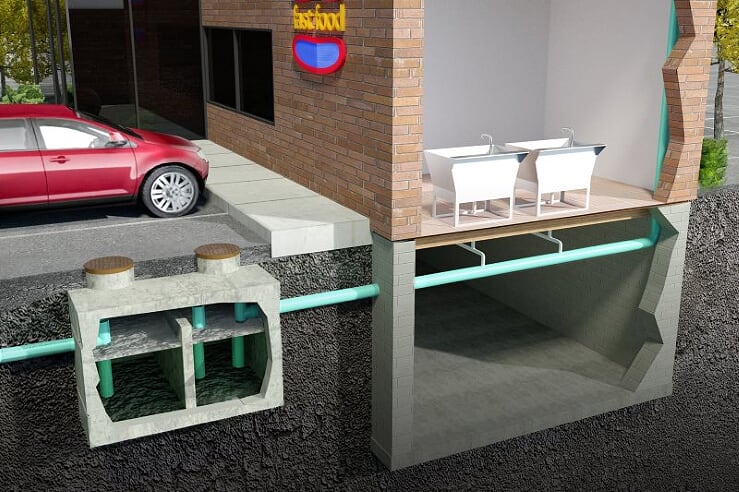
- Shared interceptor serving the whole building – Many condominium properties, particularly larger or newer developments, have a single large grease interceptor buried outside the building that collects drainage from all units and shared spaces. These interceptors handle high volumes and typically require more frequent service than a single-household trap. On properties with a shared interceptor, a single neglected service visit affects every resident in the building simultaneously.
- Individual traps per unit – Some condominium buildings, particularly older properties or those converted from other uses, have individual grease traps installed at each unit. In this setup, each trap needs to be serviced independently, and the service schedule for each unit may vary based on how frequently that kitchen is used. Managing individual unit traps across a large property requires coordination and a clear service tracking system — something we can help property managers set up and maintain.
- Combination systems – Some properties have individual unit traps that feed into a shared building interceptor. In these cases, both levels of the system need regular service. Pumping the shared interceptor without servicing individual unit traps — or vice versa — leaves part of the system unprotected.
Our team will assess your specific property setup during the initial visit and give you a clear recommendation for how to approach maintenance across the entire system.
Compliance and Health Department Requirements for Indianapolis Condominiums
Grease trap compliance requirements in Indianapolis depend on the type of property, how the drainage system is configured, and what the local health department has specified for that particular facility. Condominium properties that include shared kitchen spaces, on-site food service, or clubhouse dining areas may be subject to the same grease trap maintenance and documentation requirements as commercial food service establishments.
For property managers, keeping up with those requirements manually — tracking service dates, maintaining manifests, filing records with the health department — is an administrative task that often gets deprioritized in the middle of everything else involved in managing a condominium property. That’s where we help.
Indianapolis Grease Trap Services handles all required documentation and health department filings on behalf of our commercial and multi-unit residential clients. After every service visit, we prepare the necessary service records and manifests, coordinate filing with the appropriate local authorities, and keep copies on file at our Indianapolis office. When a compliance inquiry comes in or an inspection is scheduled, you have a complete, organized service history ready to present without scrambling.
We also conduct regular consultations with property managers to assess current service schedules and adjust them as the property’s needs change — if new units are occupied, a shared amenity space is added, or usage patterns shift in a way that affects how quickly the trap fills.
Scheduling Grease Trap Service Around Residents and Property Operations
One of the practical challenges of servicing a grease trap on a condominium property is coordinating the work around residents’ schedules and the property’s daily operations. Grease trap pumping involves a vacuum truck on the property, temporary interruption to drainage in the affected lines, and in some cases access to areas near residential units.
We understand that minimizing disruption to residents is a priority for every property manager we work with. Our team is flexible on scheduling and can accommodate early morning service before residents are active, evening appointments after peak kitchen usage, weekend visits when management staff is available for coordination, and off-peak weekday slots that minimize the chance of disrupting residents’ daily routines.
For properties that need to notify residents before service — whether as a courtesy or because local HOA rules require it — we provide clear advance notice of our scheduled arrival time so you have the information you need to communicate with the building.
How Often Should a Condominium Grease Trap Be Pumped?
The standard industry guideline is to pump a grease trap when the combined grease and solids layer reaches 25% of the trap’s total liquid capacity. For a condominium property, how quickly that threshold is reached depends on several factors:
- Number of units actively cooking – A fully occupied 100-unit building reaches that threshold significantly faster than a smaller 20-unit property or one with a high percentage of residents who eat out rather than cooking at home.
- Presence of shared kitchen or dining amenities – A clubhouse kitchen or community dining space contributes a concentrated volume of grease relative to its size. Properties with active shared cooking facilities typically need more frequent service than those without.
- Type of cooking happening in the building – Properties with a resident population that cooks frequently with oils and fats will fill a grease trap faster than those with lighter kitchen use. This varies by property and often by neighborhood and demographic.
- Trap or interceptor size – A larger interceptor has more capacity before it reaches the 25% threshold. Knowing the capacity of your trap and the rate at which it typically fills is the most accurate way to set a service interval. We measure and record both at every visit.
For most Indianapolis condominium properties, service intervals range from every one to three months for larger or more active buildings to every three to six months for smaller properties with lighter kitchen use. We’ll give you a specific recommendation after assessing your property.
Why Choose Indianapolis Grease Trap Services for Your Condominium Property
Property managers across Marion County and the Indianapolis metro trust our team for condominium grease trap service for straightforward reasons:
Owner-Operated Business – Carl and the team work hands-on at every job. When you schedule service with us, you’re working with experienced, accountable people — not a rotating crew of subcontractors managed from a call center.
Over 15 Years of Experience – We’ve been servicing grease traps across Indianapolis for over 15 years, including multi-unit residential properties of all sizes and configurations. We understand the specific challenges that condominium properties present and how to handle them efficiently.
7 Full-Time Pump Trucks – Our fleet size means we have the capacity to service larger properties, handle multiple traps in a single visit, and respond quickly when urgent situations come up between scheduled service appointments.
Licensed, Bonded, and Insured Technicians – Every technician on our team is fully licensed and insured. You’re protected throughout every service visit, and residents can feel confident that the people working on the property are qualified professionals.
24/7 Emergency Availability – Grease trap overflows and drain backups at condominium properties can become resident relations emergencies fast. We’re available around the clock, every day of the year, for urgent situations that can’t wait for a scheduled appointment.
Full Compliance and Documentation Support – We handle all service records, manifests, and health department filings. You stay compliant without adding grease trap paperwork to your management workload.
City of Indianapolis Permitted Transporter – We operate with all required city permits for waste transport and disposal. Every job meets Indianapolis regulatory standards from start to finish.
Bulk Service Discounts for Multi-Location Operators – Property management companies overseeing multiple condominium developments in the Indianapolis area qualify for bulk service discounts. We also offer flexible monthly payment plans to keep maintenance costs predictable.
Loyalty Discounts for Returning Clients – Long-term clients receive loyalty pricing. We build lasting service relationships with the property managers we work with, and our pricing reflects that.
A+ Reputation Built on Word of Mouth – The majority of our clients come to us through referrals from other property managers and satisfied customers. That kind of reputation is built one job at a time, and we protect it on every property we service.
Areas We Serve Around Indianapolis
We’re based at 961 W 29th St in downtown Indianapolis and serve condominium properties throughout Marion County and the surrounding communities. We primarily service everything inside the I-465 beltway but regularly travel beyond it for clients who need us. Properties we serve include those in:
- Indianapolis (all Marion County zip codes)
- Carmel, IN
- Fishers, IN
- Greenwood, IN
- Lawrence, IN
- Speedway, IN
- Broad Ripple
- Irvington
- Fountain Square
- Bates-Hendricks
- Beech Grove, IN
- Southport, IN
- Rocky Ripple
- Warren Township
- Pike Township
- Washington Township
- Perry Township
- Decatur Township
Not sure if we cover your property’s location? Call or text us at (317) 548-1925 and we’ll give you a straight answer.
Frequently Asked Questions About Condominium Grease Trap Pumping
Who is responsible for grease trap maintenance at a condominium property?
In most cases, the property management company or HOA is responsible for maintaining shared infrastructure, including grease traps and interceptors that serve the building’s common drainage system. Individual unit traps, where they exist, may fall under the responsibility of the unit owner depending on how the HOA governing documents are written. If you’re unsure how responsibility is allocated at your specific property, reviewing the HOA documents or consulting with a property attorney can clarify it.
How do I know if my condominium property has a grease trap?
Properties with shared kitchen facilities, on-site food service, or older construction may have grease traps that aren’t well documented in current records. If you’re managing a property and aren’t certain whether a grease trap is installed, our team can perform an on-site assessment to locate and evaluate any grease interception equipment on the property.
Can a full grease trap affect residents who don’t cook much?
Yes. In a shared drainage system, a grease trap that’s overflowing doesn’t only affect units generating the most kitchen waste. When a shared trap or interceptor overflows, the backed-up pressure affects drainage throughout the connected system, including units with light kitchen use. The problem is a building-wide issue regardless of individual cooking habits.
What happens if we skip a scheduled service?
Skipping a service visit means the grease and solids in the trap continue to accumulate past the point where the trap can function effectively. Overflow starts passing grease and solids into the drain line, creating buildup in shared pipes. For properties with compliance requirements, a missed service can also result in documentation gaps that create problems during inspections. The further behind a trap gets, the harder and more involved the service visit becomes to restore it to proper operating condition.
Do you work with property management companies that oversee multiple buildings?
Yes. We work with property management companies operating multiple condominium developments across the Indianapolis area and offer bulk service discounts for multi-location operators. We can coordinate service schedules across multiple properties and maintain unified documentation records so you have a clean service history for each building in your portfolio.
Can you set up a recurring service schedule for our property?
Absolutely. After the initial service visit and assessment, we’ll recommend a pumping frequency based on your property’s specific trap size and usage patterns and set up a recurring schedule so you don’t have to track it manually. Recurring clients receive loyalty pricing, and we send reminders ahead of each scheduled visit so you’re never caught off guard.
What if we have an overflow situation between scheduled visits?
Call or text us at (317) 548-1925. We’re available 24 hours a day, 7 days a week, including weekends and holidays. Grease trap overflow situations at multi-unit properties need to be addressed quickly to prevent the problem from spreading through the shared drainage system, and we treat those calls as the urgencies they are.
Schedule Condominium Grease Trap Pumping in Indianapolis
A well-maintained grease trap is one less thing for a property manager to worry about. A neglected one becomes a source of resident complaints, compliance problems, and plumbing repairs that disrupt building operations and strain maintenance budgets. Indianapolis Grease Trap Services gives condominium properties in Indianapolis a straightforward, reliable service option — consistent scheduling, complete documentation, and a team that shows up prepared and does the job right.
We’re locally owned, owner-operated, and based right here in Indianapolis at 961 W 29th St. Our licensed technicians are available around the clock. Call or text us at (317) 548-1925 to get started. We’ll come out, assess your property’s grease trap system, and give you a free estimate with no obligation and no pressure.
Keep your building compliant. Keep your residents comfortable. Call Indianapolis Grease Trap Services.